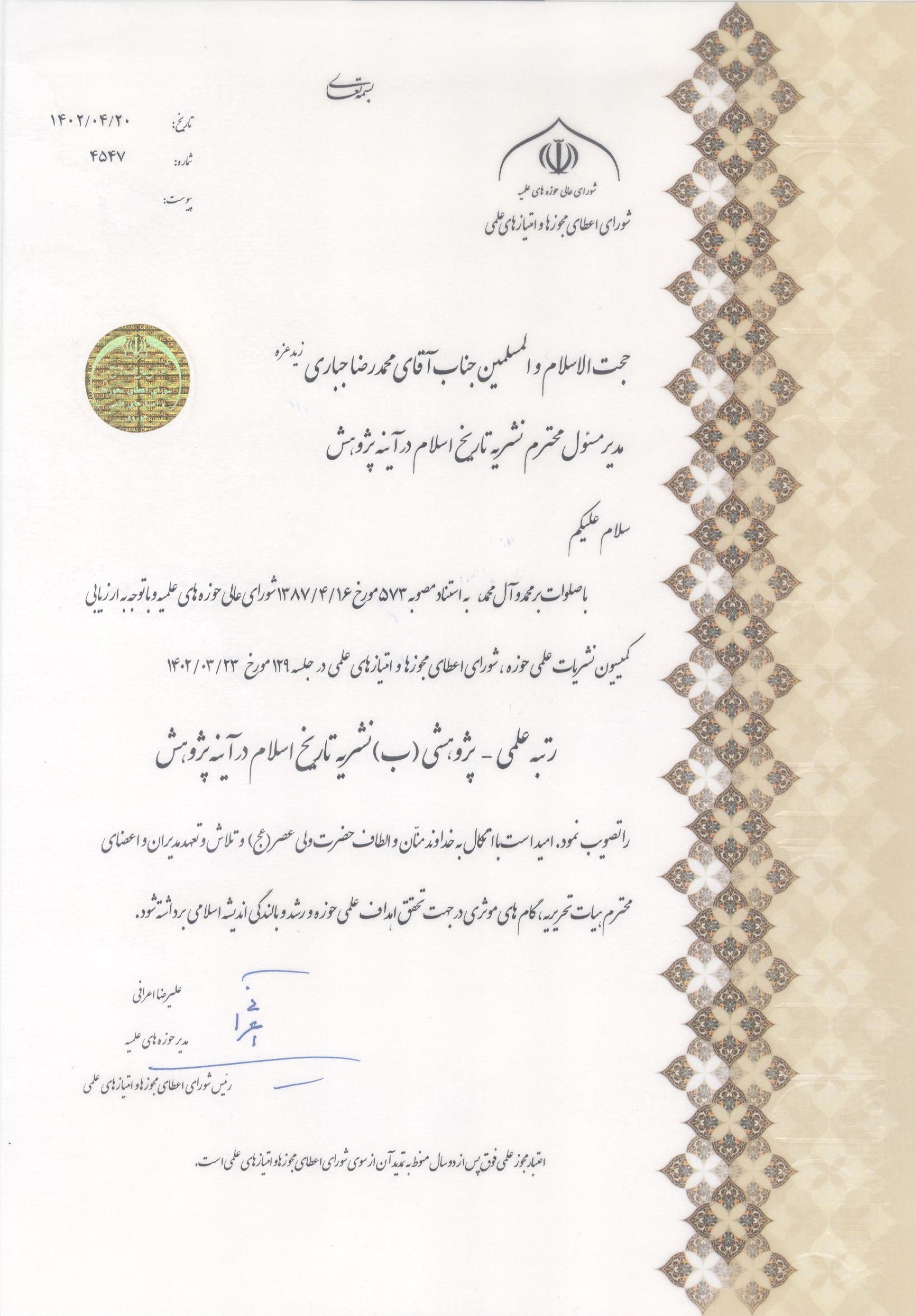
این مقاله در یکی از شماره های بعدی نشریه تاریخ اسلام در آینه پژوهش منتشر خواهد شد.
تحلیل انتقادی تحولات دینی عربستان جنوبی تا پایان دوره حمیریان
نوع مقاله:
پژوهشی
نویسندگان:

چکیده:
از زمان تشکیل نظامهای سیاسیِ متمرکز در عربستان جنوبی، حکومتهای این منطقه تحت تاثیر تمدن میانرودان به پرستش اجرام آسمانیِ ماه، خورشید و زُهره مشغول بودند. در این میان، با توجه به شرایط جغرافیایی، ماه بالاترین مقام را دارا بود. این دیانت یمنیها در جنوب جزیرهالعرب تفاوتی اساسی با دیانت اعراب شمال داشته است. قبل از ظهور اسلام، علیرغم آنکه بتپرستی عقیده مشترک اعراب جنوب و شمال به شمار میرفته، اما بتپرستی نزد یمنیها به شکل پرستش اجرام آسمانی و تابع تشریفات ثابت بوده ضمن آنکه از تنوع در معابد برخوردار بود، بر خلاف اعراب شمال که دیانت آنها بر تنوع در تشریفات عبادی و محدودیت در معابد استوار است. تطور دیانت یمنیها نیز متفاوت از اعراب شمال بوده است. نهضت بازگشت به یکتاپرستی در دیانت یمنیها با گرایش آنها به ادیان ابراهیمی مسیحیت و یهودیت نمود پیدا کرد بهطوری که حتی یهودیت در اواخر حیات حمیریان به صورت دین رسمی آنها درآمد. این تطور در میان حمیریها در مرحله زمانی متقدمتری نسبت به عربستان شمالی رخ داد و در نوع خود سیری اعتلایی به شمار میآید؛ بر خلاف سیر نزولی دیانت عربستان شمالی که در دوره زمانی مورد بحث، فرآیندی انحطاطی از حنفیت به سوی بتپرستی داشته است.
کلمات کلیدی:
Article data in English (انگلیسی)
Title:
A Critical analysis of the religious developments in South Arabia up to the end of the Himyarites period
Abstract:
Since the formation of centralized political systems in South Arabia, the governments of this region, under the influence of the Mesopotamia civilization, have been worshiping the celestial bodies included Moon, Sun and Venus. Among them, due to geographical conditions, the moon had the highest position. This Yemenis' religion in the south of the Arabian Peninsula is fundamentally different from the northern Arabs' religion. Before the advent of Islam, although idolatry was a common belief of the southern and northern Arabs, but idolatry was practiced by the Yemenis in the form of worship of celestial bodies and depending on fixed rituals, while having diversity in the temples, unlike the northern Arabs whose religion is based on diversity in rituals and restrictions in the temples. The evolution of the Yemenis' religion has also been different from that of the northern Arabs. The movement of return to monotheism in the Yemenis' religion manifested itself with their inclination towards the Abrahamic religions, Christianity and Judaism, so that even Judaism became their official religion at the end of the Himyarites Kingdom. This evolution took place among the Himyarites at an earlier time than in North Arabia, and it is considered in its kind an uplifting process. Unlike to the decline of the North Arabia's religion, which in the period under discussion had a declining process from Hanafi to paganism.
شیوه ارجاع به این مقاله:
RIS
Mendeley
BibTeX
APA
MLA
HARVARD
VANCOUVER
قیم، بهادر، نادری، فرشید، سجادی، علی. (1405) تحلیل انتقادی تحولات دینی عربستان جنوبی تا پایان دوره حمیریان . دو فصلنامه تاریخ اسلام در آینه پژوهش، ()، -
بهادر قیم؛ فرشید نادری؛ علی سجادی."تحلیل انتقادی تحولات دینی عربستان جنوبی تا پایان دوره حمیریان ". دو فصلنامه تاریخ اسلام در آینه پژوهش، ، ، 1405، -
قیم، بهادر، نادری، فرشید، سجادی، علی.(1405) 'تحلیل انتقادی تحولات دینی عربستان جنوبی تا پایان دوره حمیریان '، دو فصلنامه تاریخ اسلام در آینه پژوهش، (), pp. -