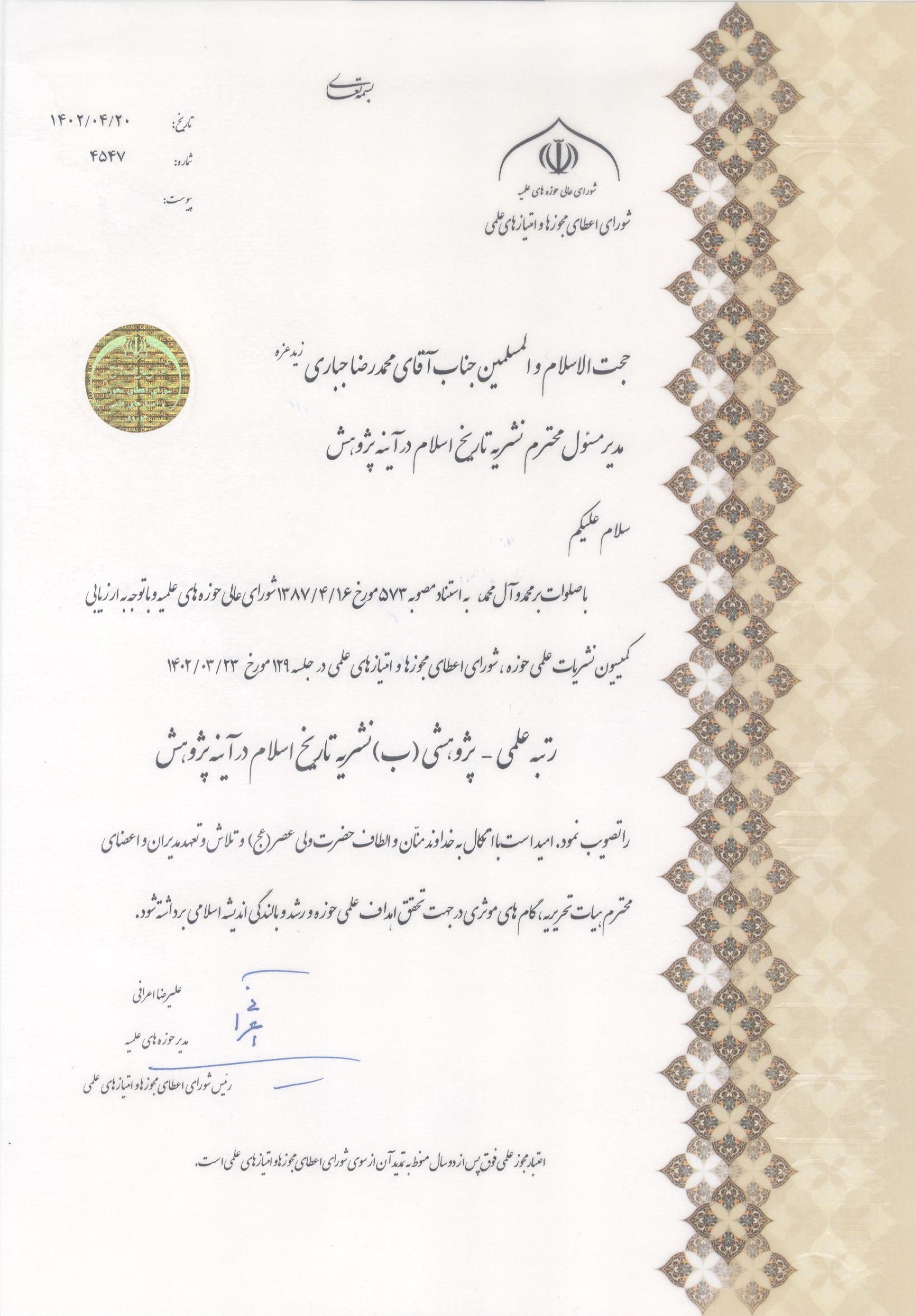
این مقاله در یکی از شماره های بعدی نشریه تاریخ اسلام در آینه پژوهش منتشر خواهد شد.
مقایسه تطبیقی الگوی مواجهه با مخالفان سیاسی در سیره حکمرانی امام علی(ع) و جمهوری اسلامی ایران: مطالعه تطبیقی مبتنی بر منابع تاریخی و مستندات دوران بعد از انقلاب
نوع مقاله:
پژوهشی
نویسندگان:
✍️ مهدی یعقوبی / *دکتری - تاریخ اسلام- موسسه آموزشی و پژوهشی امام خمینی (ره) / m.yaghoobi@kashanu.ac.ir
/ *دکتری - تاریخ اسلام- موسسه آموزشی و پژوهشی امام خمینی (ره) / m.yaghoobi@kashanu.ac.irچکیده:
جمهوری اسلامی ایران همواره بر الگوبرداری از سیره حکمرانی امام علی(ع) در مواجهه با مخالفان سیاسی تأکید داشته است. پرسش اصلی پژوهش این است که این الگوبرداری تا چه میزان و با چه شیوههایی تحقق یافته است. پژوهش حاضر با رویکرد تطبیقی و بر پایه منابع تاریخی (سیره علوی) و اسناد دوران جمهوری اسلامی انجام شده است. دادهها به روش کتابخانهای گردآوری و با تکیه بر منابع دست اول تاریخی تحلیل شده است. یافتهها نشان میدهد سیره علوی بر سه راهبرد کلیدی استوار است: مدارا و نصیحت، روشنگری و گفتوگو، و برخورد قاطع پس از اتمام حجت؛ همراه با تفکیک دقیق انواع مخالفان (زبانی، نظامی، امنیتی، فکری و اقتصادی). جمهوری اسلامی ایران نیز در موارد شاخصی مانند برخورد با سازمان مجاهدین خلق (منافقین) بهعنوان برانداز مسلح، مدیریت مخالفتهای درونحکومتی و اعتراضات گسترده، ترکیبی از همین سه راهبرد را در چارچوب منطق کلی علوی به کار گرفته است.با این حال، به دلیل تفاوتهای بستر تاریخی و تغییر مصادیق مخالفت، تطبیق کامل این الگو با شرایط معاصر با چالشها و انتقاداتی همراه بوده است. بنابراین هرچند جمهوری اسلامی در سطح منطق کلی از سیره علوی پیروی کرده، اجرای کامل آن نیازمند توجه به تفاوتهای واقعی میان دو دوره تاریخی است.
Article data in English (انگلیسی)
Title:
A Comparative Study of the Model for Dealing with Political Opponents in the Governance Conduct of Imam Ali (AS) and the Islamic Republic of Iran: A Comparative Analysis Based on Historical Sources and Post-Revolution Documents
Abstract:
Despite emphasizing the model of Imam Ali's (AS) governance conduct in dealing with political opponents, the Islamic Republic of Iran has in practice adopted different approaches. Thus, the main research question is to what extent and through which methods this modeling has been realized. This study employs a comparative approach, using historical sources (the Alawi tradition) and documents/reports from the post-revolution era in Iran. Data were collected through documentary and library methods and comparatively analyzed based on primary historical sources. The findings show that the Alawi tradition is based on three key strategies: tolerance and advice, enlightenment and dialogue, and decisive action after giving full notice, along with a precise differentiation of opponent types (verbal, military, security, intellectual, economic). In notable cases—such as dealing with the Mojahedin-e-Khalq (MKO/MEK) as an armed insurgency, managing intra-governmental dissent, and even widespread protests—the Islamic Republic of Iran has displayed a combination of these three strategies within the overall Alawi logic. However, due to differences in historical contexts and changing manifestations of opposition, the complete application of the Alawi model to contemporary conditions has faced challenges and criticisms. Therefore, although the Islamic Republic has followed the Alawi tradition at the level of general logic, its full implementation requires attention to the real differences between the two historical periods.
شیوه ارجاع به این مقاله:
RIS
Mendeley
BibTeX
APA
MLA
HARVARD
VANCOUVER
یعقوبی، مهدی. (1405) مقایسه تطبیقی الگوی مواجهه با مخالفان سیاسی در سیره حکمرانی امام علی(ع) و جمهوری اسلامی ایران: مطالعه تطبیقی مبتنی بر منابع تاریخی و مستندات دوران بعد از انقلاب. دو فصلنامه تاریخ اسلام در آینه پژوهش، ()، -
مهدی یعقوبی."مقایسه تطبیقی الگوی مواجهه با مخالفان سیاسی در سیره حکمرانی امام علی(ع) و جمهوری اسلامی ایران: مطالعه تطبیقی مبتنی بر منابع تاریخی و مستندات دوران بعد از انقلاب". دو فصلنامه تاریخ اسلام در آینه پژوهش، ، ، 1405، -
یعقوبی، مهدی.(1405) 'مقایسه تطبیقی الگوی مواجهه با مخالفان سیاسی در سیره حکمرانی امام علی(ع) و جمهوری اسلامی ایران: مطالعه تطبیقی مبتنی بر منابع تاریخی و مستندات دوران بعد از انقلاب'، دو فصلنامه تاریخ اسلام در آینه پژوهش، (), pp. -